

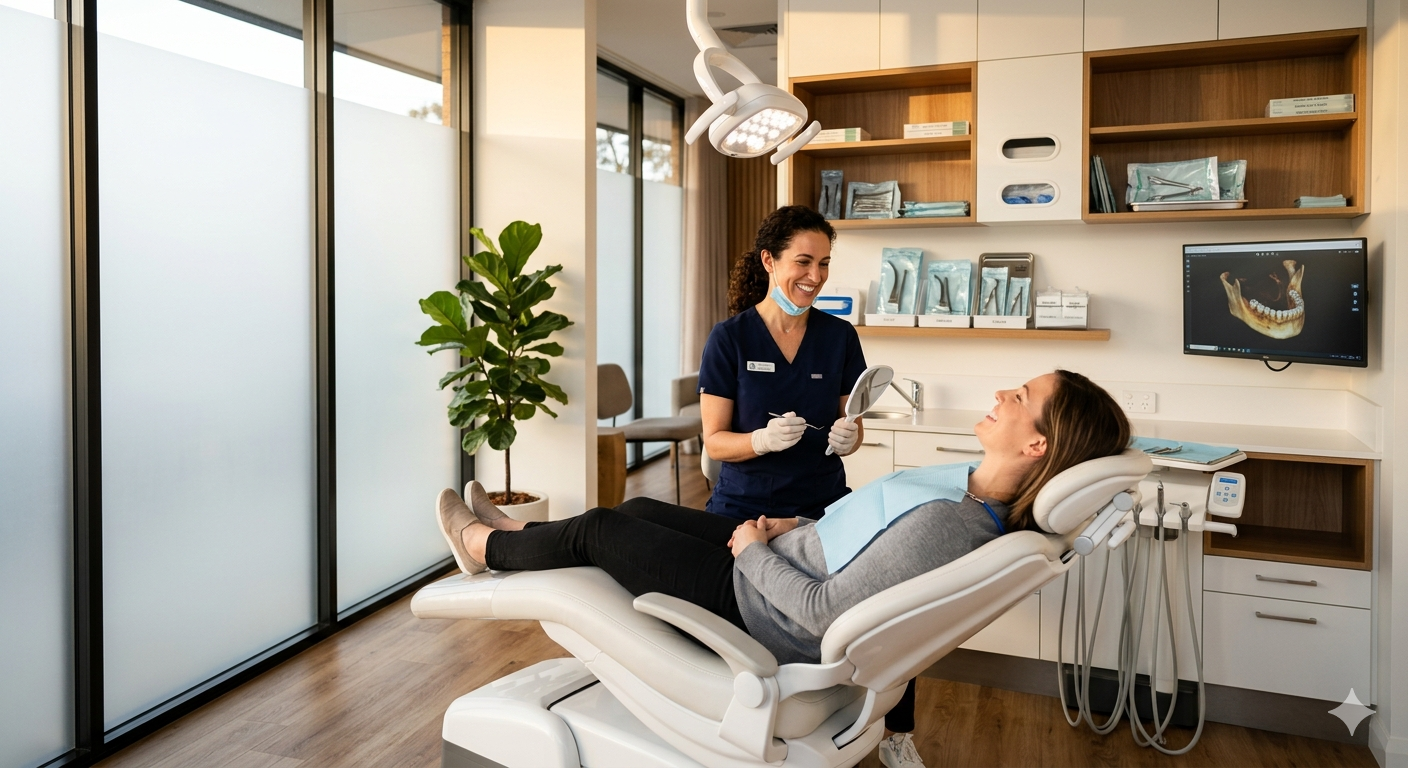
A smile makeover in Dallas, TX, offers a variety of options tailored to improve both appearance and function. Patients can choose from treatments like teeth whitening, veneers, crowns, and orthodontics, depending on their needs and goals. These services help address common concerns such as discoloration, chipped teeth, gaps, and misalignment.
Dentists in Dallas focus on patient comfort and use the latest technology to make the process smooth and effective. Many options are minimally invasive and designed to preserve natural teeth while enhancing the overall smile.
Understanding what each treatment entails can feel overwhelming, but expert guidance ensures the best plan for lasting results. If you’re thinking about a smile makeover, consulting a local dental professional is a great first step to explore the possibilities.
Understanding Smile Enhancement Procedures
Many dental treatments focus on improving the look and health of a smile with options tailored to individual needs. These procedures vary in complexity and purpose, from subtle changes to full restorations. Knowing what to expect can help patients feel confident about their choices.
What Is a Smile Makeover?
A smile makeover is a personalized dental plan designed to improve the appearance and function of a person’s teeth and gums. It combines one or more cosmetic and restorative treatments to achieve a balanced, natural look. Common components include teeth whitening, veneers, crowns, and orthodontics.
Dentists in Dallas often start with a thorough exam to identify issues like discoloration, misalignment, or damaged teeth. From there, they suggest a combination of procedures aimed at correcting flaws while preserving oral health. The goal is a smile that looks good and works well for everyday life.
Benefits of Cosmetic Dental Treatments
Cosmetic dental treatments do more than enhance looks; they boost confidence and improve oral health. Whiter, straighter teeth can make people feel more comfortable in social and professional situations. Some treatments like bonding or crowns also protect teeth from further damage.
Modern options are often minimally invasive with quicker recovery, making them easier to fit into busy lives. Many procedures can be adjusted based on budget, timeline, and personal goals, providing flexibility. Overall, cosmetic dentistry in Dallas offers a practical way to achieve a brighter, healthier smile.
Common Reasons Patients Seek Smile Upgrades
Patients pursue smile upgrades for many reasons, including stained or chipped teeth, gaps, and uneven shapes. Aging, lifestyle habits like smoking, or past dental work can contribute to dissatisfaction. Some seek help for bite issues impacting comfort or function.
Others want a preventive boost, choosing treatments that also protect the teeth from wear or decay. Psychological factors, such as wanting to feel better about their appearance, are just as important. Understanding why someone seeks treatment helps dentists create effective, lasting solutions.
Popular Cosmetic Dentistry Solutions
Many patients seek treatments that enhance their smile without extensive dental work. Options vary from quick fixes to lasting restorations, each designed to improve appearance and confidence.
Porcelain Veneers
Porcelain veneers are thin shells bonded to the front of teeth to cover imperfections like chips, gaps, or discoloration. They mimic natural tooth enamel, offering a durable and stain-resistant option that can last 10-15 years with proper care.
The process involves minimal enamel removal, preserving most of the natural tooth. After impressions are taken, custom veneers are crafted and placed during a second visit, transforming the smile with a natural look.
Veneers are suitable for addressing multiple cosmetic issues at once, making them popular among patients wanting a comprehensive yet minimally invasive makeover.
Teeth Whitening Options
Teeth whitening brightens stained or dull teeth, a common concern for many. Dallas dental offices offer treatments ranging from in-office power bleaching to dentist-provided take-home kits.
In-office whitening uses stronger agents to produce quick results—often noticeable after one session. Take-home kits use custom trays with professional-grade gel, allowing gradual whitening over days or weeks.
Patients appreciate whitening for its simplicity and immediate aesthetic boost. It’s best suited for extrinsic stains, such as those from coffee or smoking, and less effective on intrinsic discoloration.
Dental Bonding
Dental bonding repairs minor chips, cracks, and gaps using tooth-colored resin applied directly to the tooth. This technique is less invasive than veneers and can usually be done in a single appointment.
The dentist shapes and hardens the resin with a special light, blending it seamlessly with surrounding teeth. Bonding repairs are durable but may require touch-ups or replacement after several years.
Bonding is an affordable way to quickly enhance the smile, ideal for small imperfections and those looking for a non-permanent solution without altering tooth structure drastically.
Addressing Alignment and Spacing Concerns
Correcting alignment and spacing can transform a smile’s appearance and function. Treatments now focus on discreet, comfortable options and minimally invasive techniques to fit various needs and lifestyles.
Invisible Braces
Invisible braces, such as clear aligners, gently move teeth into proper alignment without the look of traditional metal braces. They are removable, making eating and oral hygiene easier during treatment.
These aligners are custom-made for each patient using 3D imaging, offering precision in correction over several months. They address mild to moderate misalignment and spacing issues effectively.
Patients appreciate the low-profile design, which fits into daily life with less impact on speech or comfort. Regular dental visits track progress, ensuring adjustments are smooth and effective.
Tooth Contouring for Symmetry
Tooth contouring, also known as enamel shaping, involves subtle grinding or reshaping of the teeth to improve their outline and balance. It’s often used to close small gaps or even out uneven edges.
This procedure is quick and painless, usually completed in one visit. It can enhance the overall harmony of the smile by making minor adjustments that create a more symmetrical look.
Tooth contouring works best for those with small spacing or minor alignment irregularities. Dentists carefully remove small amounts of enamel to maintain tooth health while refining the smile’s appearance.
Restoring Tooth Structure and Function
Restoring both the look and usability of teeth is key to a lasting, healthy smile. Treatments focus on repairing damage and closing gaps to improve chewing, speaking, and overall oral health.
Dental Crowns for Damaged Teeth
Dental crowns cover and protect teeth that are cracked, weakened, or severely decayed. They restore strength and shape, allowing patients to use the tooth normally again without pain or sensitivity.
Crowns are custom-made from materials like porcelain or ceramic, matching natural teeth in color and texture. This helps maintain a seamless, attractive smile. The process usually involves reshaping the damaged tooth, taking an impression, and fitting a temporary crown. Once the permanent crown is ready, it is cemented onto the tooth securely.
Crowns can last many years with proper care. They prevent further damage and keep teeth functional, especially after root canals or large fillings.
Bridges for Gaps in Your Smile
Bridges replace one or more missing teeth by anchoring artificial teeth to neighboring natural teeth or implants. This option restores the ability to chew evenly and prevents teeth from shifting out of place.
A typical bridge has a false tooth, called a pontic, held between two crowns on the adjacent teeth. These crowns provide stability and support during everyday activities like eating and speaking.
Bridges are tooth-colored for a natural appearance. They require healthy adjacent teeth to support the structure. The dentist will prepare these supporting teeth by removing a small amount of enamel to fit the crowns.
Bridges help maintain facial shape and prevent bone loss in the jaw. Regular dental visits and good oral hygiene keep bridges lasting longer and functionally reliable.
Personalizing Your Smile Makeover Plan
Every smile makeover starts with understanding the unique needs and goals of the patient. Tailoring treatments to their facial features, dental health, and lifestyle ensures results that feel both natural and satisfying.
Smile Design Consultations
During the smile design consultation, the dentist carefully examines teeth, gums, and bite to identify areas for improvement. This is a collaborative process where the patient shares their preferences about shape, color, and overall look.
The dentist discusses options like veneers, whitening, or orthodontics and addresses any concerns about sensitivity or maintenance. Together, they create a clear, personalized plan that balances aesthetic goals with dental health. This upfront conversation helps set realistic expectations and builds confidence in the treatment journey.
Digital Previews of Smile Transformations
Digital imaging technology allows patients to see a preview of their new smile before any work begins. Using 3D scans and photos, the dentist designs a virtual smile that matches the patient’s facial structure and desired results.
These previews can be adjusted in real time, helping patients choose the best shape and shade of teeth. It also reduces uncertainty by showing how different treatments—like bonding or crowns—will enhance the appearance. This visual guide makes decision-making easier and provides reassurance about the final outcome.
Choosing a Cosmetic Dentist in Dallas
Finding the right dentist is key to a smile makeover that feels natural and lasts. Comfort, experience, and clear communication all play major roles in having a positive dental experience.
What to Look for in a Dental Practice
A good cosmetic dentist should have specialized training in cosmetic procedures such as veneers, bonding, and teeth whitening. It’s important they use the latest technology like digital imaging and intraoral cameras to plan treatments accurately.
Patient reviews and before-and-after photos offer insight into the dentist’s skill and style. Look for a practice that emphasizes patient comfort, explaining each step and offering sedation if needed. Clean, modern facilities reflect a commitment to quality care.
Questions to Ask at Your First Visit
Ask about the dentist’s experience with your specific concerns, such as fixing gaps or discoloration. Understanding the timeline and costs involved helps avoid surprises.
Inquire about the materials used for restorations and their longevity. It’s also wise to discuss maintenance routines to keep results looking their best. Finally, check if they offer payment plans or insurance options to ease financial concerns.
Lifelong Smile Maintenance
Maintaining a smile makeover requires consistent care at home and regular visits to the dentist. Small daily actions combined with professional cleanings can keep results looking fresh and healthy for years.
Daily Habits for Lasting Results
Brushing teeth at least twice a day with a fluoride toothpaste is essential to protect both natural teeth and restorations. Using a soft-bristled toothbrush helps avoid damaging veneers or crowns from the makeover.
Flossing once daily removes plaque buildup where a toothbrush can’t reach, preventing gum disease that could threaten long-term smile health. Avoiding stain-causing foods and drinks like coffee, red wine, and tobacco helps maintain the brightness achieved through whitening or veneers.
Rinsing with an antibacterial mouthwash can reduce harmful bacteria, promoting gum health and fresh breath. Drinking plenty of water throughout the day also aids in washing away food particles and sugars that feed decay-causing bacteria.
Routine Checkups and Cleanings
Visiting the dentist every six months for professional cleanings is crucial for preserving the results of a smile makeover. Dentists can remove plaque and tartar that regular brushing misses, reducing the risk of cavities and gum problems.
During these visits, the dental team checks the condition of veneers, crowns, or implants to catch any issues early. They can also polish teeth surfaces and refresh whitening treatments if needed.
Regular checkups allow the dentist to tailor maintenance advice based on the patient’s specific makeover choices, helping to protect the investment and ensure a healthy, confident smile for life.
Financing and Affordability for Cosmetic Treatments
Many patients wonder about the cost of smile makeovers in Dallas, TX. Cosmetic dentistry can vary in price depending on the treatments chosen. Common procedures like teeth whitening, veneers, or Invisalign each have different costs to consider.
Dental offices often offer flexible payment plans to help spread out the expense over time. These plans make it easier to budget for your ideal smile without a large upfront payment. Some providers also accept major credit cards or third-party financing options.
| Payment Options | Description |
|---|---|
| In-House Payment Plans | Monthly payments set by the office |
| Third-Party Financing | Loans or credit lines for dental care |
| Insurance Coverage | Limited, but some plans cover part of treatments |
Patients should ask their dentist about available discounts or special promotions. Sometimes, bundled treatments come at a lower overall cost, making a full smile makeover more affordable.
It’s also important to discuss what fits into your budget during your consultation. The dental team can help prioritize treatments, focusing on your goals and comfort. Taking small steps can still lead to big improvements over time.
Encouraging questions about financing options helps patients feel confident and informed. It’s always a good idea to talk openly about costs before beginning treatment.
Taking the First Step Toward Your Confident Smile
Choosing to improve your smile is a personal and important decision. In Dallas, many people begin by scheduling a consultation with a trusted dental professional. This meeting allows them to discuss their goals and explore the best options tailored to their needs.
During the appointment, the dentist will perform a thorough examination. This often includes digital X-rays and photos to understand the current condition of your teeth and gums. They also listen carefully to concerns and preferences, helping to create a treatment plan that feels right.
For those feeling anxious, dentists today use gentle techniques and sedation options to ensure comfort. Many patients find that knowing what to expect makes the process much easier. Clear communication is key—patients are encouraged to ask questions and express any uncertainties.
Here is a simple checklist of what to bring or prepare for a smile makeover consultation:
| What to Bring/Prepare | Why It Helps |
|---|---|
| List of dental concerns | Clarifies priorities |
| Photos of ideal smiles (if any) | Helps the dentist understand your goals |
| Medical and dental history | Ensures safe and effective treatment |
| Questions about procedures | Addresses fears and builds confidence |
Taking this first step paves the way to a more confident smile. It’s a conversation at your pace, focused on care and comfort. Scheduling that initial visit today can open doors to many options for your smile improvement journey.
Frequently Asked Questions
Many patients want to know which treatments can improve their smile, how much a makeover might cost, and what to expect during the process. Comfort during procedures and choosing the right dentist are also common concerns.
What treatments are typically included in a cosmetic smile makeover?
Smile makeovers often combine several treatments tailored to individual needs. Common options include teeth whitening, veneers, dental bonding, crowns, and sometimes orthodontics like Invisalign.
These treatments address different concerns such as discoloration, chip repair, alignment, and tooth shape. A personalized plan ensures the best overall result.
How much does a full smile makeover usually cost, and what factors affect the price?
Costs vary widely depending on the treatments used and the extent of work required. A full makeover can range from $1,500 to $15,000 or more.
Factors such as materials chosen, the number of teeth treated, and the dentist’s expertise also influence pricing. Insurance usually does not cover cosmetic procedures.
Are veneers the best option for me, or would bonding, whitening, or crowns make more sense?
Veneers are durable and great for significant changes but often more expensive. Bonding is less costly and can fix minor chips or gaps but may stain over time.
Whitening improves color but doesn’t change shape or alignment. Crowns restore damaged teeth’s strength and appearance. The right choice depends on your goals and oral health.
How long does a smile makeover usually take from the first visit to the final results?
The timeline depends on the complexity of the work. Simple whitening or bonding can take one or two visits over a few weeks.
More extensive cases with veneers, crowns, or orthodontics may require several months to complete. The dentist will provide a clear schedule during consultation.
Will the procedures be painful, and what comfort options are available during treatment?
Most cosmetic treatments cause minimal discomfort. Local anesthesia or numbing gels are commonly used to keep patients comfortable.
Dental offices may also offer sedation options, like nitrous oxide, for people with anxiety. Post-procedure sensitivity usually fades quickly.
How do I choose the right cosmetic dentist, and what should I look for in reviews and before-and-after photos?
Look for a dentist with specialized training in cosmetic procedures and positive patient feedback. Before-and-after photos show the quality and style of their work.
Check for a warm, patient-focused approach and clear communication. Meeting with the dentist to discuss your concerns can help ensure a good fit.