

You want a clearer idea of how much Invisalign will cost in Dallas and what influences the price, so you can decide whether it fits your budget and life. Typical Invisalign treatment in Dallas most often ranges from about $3,500 to $7,500, depending on complexity, provider experience, and additional services like attachments or refinement visits.
They can expect to learn what drives those numbers — diagnostic scans, number of aligners, office fees, and follow-up care — plus how insurance, flexible spending accounts, and in-office financing can lower out-of-pocket costs. The article will also guide them through what happens at the consultation, how to compare providers in Dallas, and practical tips to get the best value from treatment.
Understanding Invisalign Treatment
Invisalign uses clear, removable aligners to shift teeth gradually, targeting alignment, bite correction, and spacing issues. Patients value the discreet look, predictable planning, and fewer office visits compared with traditional braces.
How Invisalign Works
Invisalign treatment begins with a digital scan or physical impressions to create a 3D model of the patient’s teeth. The dentist or orthodontist maps a step-by-step movement plan in specialized software, then manufactures a series of custom clear aligners that the patient wears in sequence.
Patients typically wear each aligner for 1–2 weeks, removing them only to eat, drink (anything other than water), and for oral hygiene. The aligners apply controlled forces to specific teeth; attachments (tooth-colored bumps) may be bonded to teeth to improve grip or rotation. Periodic check-ups occur every 6–10 weeks to monitor progress and receive the next set of trays.
Who Is a Good Candidate
Ideal candidates have mild to moderate crowding, spacing, or bite issues such as mild overbite, underbite, or crossbite. Adults and teens who can commit to wearing aligners 20–22 hours per day see the best results.
Cases requiring large jaw repositioning or severe tooth rotation may still need traditional braces or additional procedures. Patients with restorations like crowns or large fillings should get an individualized evaluation, since aligner fit and staging can be affected. Overall oral health matters: untreated gum disease or extensive decay should be addressed before starting Invisalign.
Expected Results and Timeline
Most treatments for cosmetic alignment take 6–18 months, with an average around 12 months for adults addressing moderate issues. Initial visible improvement often appears within 4–12 weeks, depending on complexity and patient compliance.
After active treatment, patients usually receive retainers to maintain tooth position—nighttime wear is common for at least one year. Follow-up appointments every few months during the first year help ensure stability. Results depend on biological response, aligner wear time, and adherence to the plan, so consistent use and attendance at scheduled visits are essential for predictable outcomes.
Breakdown of Costs in Dallas
Costs vary by case complexity, provider experience, and planned treatment time. Patients typically see quotes that reflect appliance count, monitoring frequency, and any adjunctive procedures like attachments or IPR.
Average Price Range
In Dallas, Invisalign commonly ranges from $3,000 to $8,000. Mild alignment cases often fall between $3,000–$4,500, while moderate cases usually sit in the $4,500–$6,500 band. Complex or comprehensive care, including full-mouth correction or combined restorative work, can reach $6,500–$8,000 or more.
Many practices present tiered pricing: initial consult and records ($0–$300), aligner series cost, and retention appliances (retainers typically $150–$500). Insurance may cover a portion — often up to $1,500 depending on the plan and orthodontic benefits. Flexible payment plans or healthcare financing frequently reduce monthly outlay to a manageable amount.
Factors Influencing Price
Case complexity drives cost: tooth crowding, bite issues, and required tooth movements increase the number of aligners and appointments. Treatment length matters too; longer plans need more aligners and mid-treatment refinements, which raises fees.
Provider expertise affects pricing. Board-certified orthodontists or specialists with extensive Invisalign experience often charge more than general dentists. Additional services raise costs: attachments, interproximal reduction (IPR), mini-screws, scans, or finishing elastics add both material and chair time charges. Geographic location within Dallas influences overhead and pricing — central city practices can be pricier than suburbs. Lastly, included extras like lifetime retainer replacement or refinement packages change the effective value of a quoted price.
Comparing Invisalign to Traditional Braces
Traditional metal braces in Dallas usually range $3,000–$6,000, putting them often below or similar to Invisalign for comparable cases. Braces can be more cost-effective for severe bite corrections that require extensive tooth movement or anchorage devices.
Invisalign offers discrete aesthetics and removable trays, which improve oral hygiene and comfort but may need greater patient compliance. Treatment predictability varies: Invisalign relies on digital planning and staging, sometimes necessitating mid-course refinements; braces allow continuous mechanical adjustment in-office. Maintenance and follow-up frequency differ too — Invisalign patients often have shorter, less frequent visits, while braces require more chairside adjustments. Patients should weigh aesthetic preference, lifestyle, and the provider’s recommended treatment plan when comparing costs.
If questions arise about a specific quote, they should schedule an evaluation to review records, treatment sequence, and a clear written estimate.
Insurance Coverage and Payment Options
Most Dallas patients find a mix of partial insurance coverage, tax-advantaged accounts, and in-office financing helps make Invisalign more affordable. Knowing typical insurer rules, eligible plan types, and local clinic payment offers speeds decision-making and avoids surprises.
Dental Insurance Availability
Many employer-sponsored PPO plans in Dallas cover adult orthodontics at partial rates. Coverage commonly ranges from 25% to 50% of orthodontic services, but lifetime maximums often apply — typical orthodontic lifetime caps run $1,000–$2,500. Patients should check for specific language about clear aligners; some plans limit benefits to “orthodontia” without naming Invisalign, which still may qualify.
Preauthorization and diagnostic records (photos, X-rays, Invisalign treatment plan) usually determine coverage. Out-of-network dentists may accept assignment of benefits, yet patient out-of-pocket can increase if the provider’s fees exceed insurer’s allowable amount. Verify deductible status and whether dependent/adult coverage differs from child orthodontia.
Flexible Spending and Health Savings Accounts
FSAs and HSAs let Dallas patients use pre-tax dollars for Invisalign when orthodontic care is a qualified medical expense. Eligible expenses include orthodontic appliances and professional fees; patients typically need itemized receipts showing provider, date, and nature of service to substantiate claims. FSAs have a use-it-or-lose-it rule tied to the plan year, so timing payments matters.
HSAs roll over year to year and pair with high-deductible health plans, so they may be better for long-term saving for elective treatments. Many practices accept FSA/HSA debit cards at the time of service. Patients should keep documentation — treatment plan and receipts — in case of IRS or plan audits.
Financing and Payment Plans
Dallas orthodontic practices frequently offer 0% interest plans for 6–18 months and low-interest extended plans up to 36–60 months. Common structures: an upfront down payment (typically 10–30% of total), followed by fixed monthly installments. Third-party medical lenders (CareCredit, LendingClub) provide immediate approval online and let patients choose term length and interest options.
Applicants need a soft credit check for in-office special financing; longer terms have higher total interest. Patients should compare the total cost across options: pay-in-full discounts, clinic in-house plans, and external lenders. Request a written estimate that lists down payment, monthly payment, term length, and final payoff amount before signing.
What to Expect During Your Consultation
The consultation covers three practical areas: how the provider evaluates teeth and bite, how they align treatment with the patient’s goals, and how they present costs and payment options. Patients leave knowing the proposed timeline, estimated price, and next steps.
Personalized Assessment Process
The clinician begins with a focused medical and dental history to identify prior orthodontic work, TMJ symptoms, and any restorations that could affect aligner fit. They then perform an oral exam that inspects tooth alignment, crowding, spacing, midline, and how the upper and lower teeth meet.
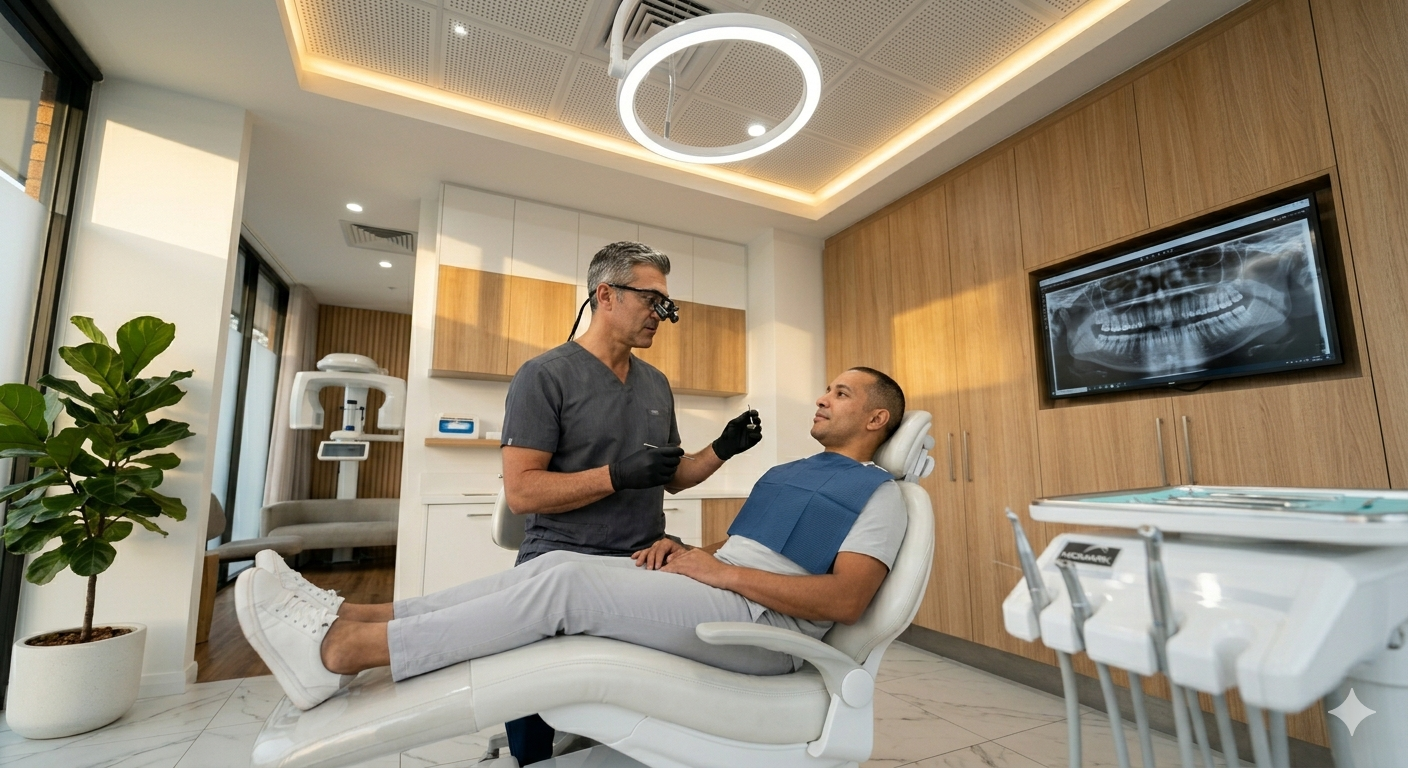
Digital records follow: intraoral photos, digital impressions or an iTero scan, and often a panoramic X-ray to check roots and wisdom teeth. These records create a 3D model used to simulate tooth movement and estimate treatment length.
The clinician discusses potential limitations—such as large gaps, severe rotation, or missing teeth—and whether auxiliaries like attachments, elastics, or limited enamel reshaping will be necessary. The patient receives a tentative timeline showing average wear time per aligner set and projected total months in aligners.
Discussing Treatment Goals
The provider asks about specific aesthetics or functional concerns: closing a gap, correcting an overbite, aligning front teeth for whitening, or improving chewing. They translate those goals into measurable objectives—target tooth positions, occlusal contacts, and midline correction—so expectations match likely outcomes.
Using the 3D simulation, the clinician walks through expected tooth movement stages and shows what achievable results look like at key milestones. They explain trade-offs clearly, such as longer treatment for greater correction or compromises if a patient prefers a shorter timeline.
They cover patient responsibilities: wearing aligners 20–22 hours daily, cleaning protocols, and scheduled check-ins every 6–10 weeks (or remote monitoring when available). This conversation sets realistic expectations about comfort, speech adaptation, and retention after active treatment.
Transparent Pricing Estimates
The office provides a written estimate that breaks costs into distinct parts: diagnostic records, the Invisalign aligner series, attachments and refinements, office visits, and a retainer package. Patients see the total range upfront and a typical midpoint cost for similar cases in Dallas, avoiding vague wording.
Insurance and HSA/FSA applicability are reviewed. The staff verifies orthodontic benefits and explains how they apply—percent coverage versus dollar maximum—and notes any required preauthorizations or waiting periods.
Payment options appear in a clear list: pay-in-full discounts, monthly financing terms with interest rates and durations, and in-house plans with down payment amounts. The team also outlines potential add-on charges for refinements or missed-appointment fees, so the financial path forward has no surprises.
Maximizing Value and Results
Practical steps and realistic expectations help patients get the best outcome from Invisalign while keeping costs reasonable. Attention to fit, wear time, and follow-up care directly affects treatment speed, comfort, and long-term stability.
Tips for a Successful Invisalign Experience
Patients should wear aligners at least 20–22 hours daily; skipping hours delays progress and can increase total cost if treatment extends. Bring aligners to every visit so the dentist can check fit and make timely adjustments.
Keep a travel kit with a case, mirror, and a small brush to clean aligners after eating. Rinse aligners with cool water and brush gently; avoid hot water or harsh cleaners that warp plastic. Replace lost or broken aligners immediately—contact the provider the same day to prevent relapse.
Follow the prescribed tray-switching schedule exactly. If attachments or elastics are part of the plan, wear them as instructed; inconsistent use undermines tooth movement and may require refinements. Track progress with photos every two weeks to compare to expected milestones and report concerns promptly.
Aftercare Considerations
After active treatment, patients must use retainers nightly to maintain results. Nightly wear for at least 6–12 months, then every other night long term, reduces relapse risk—skipping retainer use will likely reverse alignment gains.
Schedule regular dental cleanings and exams to monitor oral health and retainer condition. Replace clear retainers when they show wear or no longer fit; many providers recommend replacing plastic retainers every 6–18 months depending on wear.
If grinding or clenching existed before treatment, discuss a protective nightguard. Teeth moved by Invisalign can be more vulnerable to forces that cause shifting. Keep a spare retainer set and store them in a labeled case to avoid accidental loss.
Long-Term Investment in Your Smile
Invisalign cost in Dallas often includes initial scans, aligners, visits, and one set of retainers; ask for an itemized estimate to compare providers. Consider payment plans, FSA/HSA use, and insurance contributions as part of the total cost evaluation.
Think beyond upfront price: well-executed treatment reduces need for future orthodontic work, restorations, or periodontal care caused by misalignment. Choose a provider who documents treatment goals, shows projected timelines, and offers clear policies for refinements and emergencies.
Value also depends on patient commitment. Consistent wear, good oral hygiene, and timely follow-ups maximize the odds that the investment yields lasting, low-maintenance results. Patients should contact their local Dallas provider to discuss individualized plans and financing options.
Choosing the Right Provider in Dallas
Finding a provider who combines clear cost estimates with strong clinical experience and good patient communication matters most. Look for transparent financing, verified Invisalign cases, and convenient office logistics when deciding.
Questions to Ask Your Dentist
Ask about total cost, not just per-visit fees. Request a written estimate that includes initial scans, aligner sets, refinements, attachments, retainers, and any possible extra visits.
Inquire about payment options and insurance. Confirm whether the office accepts Delta Dental, Cigna, Aetna, or other local plans, and whether they offer in-house financing, third-party plans (CareCredit), or employer payment plans.
Request outcome evidence and timelines. Ask to see before-and-after photos of Dallas patients with similar issues and a projected treatment length with milestones for aligner changes and review appointments.
Clarify provider-level details. Ask whether a general dentist, orthodontist, or a certified Invisalign Platinum/Elite provider will oversee the case, and who handles emergencies or adjustments outside regular hours.
Qualities of a Great Invisalign Provider
A strong provider demonstrates documented Invisalign experience and case diversity. Look for Platinum/Elite status, published case studies, or a substantial local portfolio showing similar bite corrections or crowding solutions.
Patient-centered communication matters. The practice should explain the digital scan and ClinCheck process, show you the 3D treatment plan, and set clear expectations about discomfort, hygiene, and wear-time compliance.
Office logistics and technology improve results. Prefer clinics with on-site iTero or 3D scanners, timely scheduling for refinement trays, and staff trained in aligner attachments and IPR (interproximal reduction) when needed.
Local reputation and follow-up care are practical indicators. Check patient reviews for punctuality, follow-through on quoted costs, and the availability of post-treatment retainers and long-term monitoring.
Next Steps for a Confident Smile
They should schedule a consultation to get a personalized Invisalign estimate and treatment plan tailored to their bite and goals. Many Dallas practices offer free or low-cost initial exams and digital scans to show expected results.
If cost is a concern, they can compare payment options: in-office monthly plans, third-party financing, or using FSA/HSA funds. Ask the office for a written breakdown of fees, including retainers and follow-up visits.
They should prepare questions before the visit to make the most of the appointment. Suggested questions:
- What is the total expected cost?
- How long will treatment take?
- Are there any additional fees for refinements or retainers?
They should check provider experience and technology when choosing a practice. Providers who use digital scans and offer virtual check-ins often reduce office time and improve predictability.
They should verify insurance coverage and submit pre-authorization when possible. A quick table helps compare common cost factors:
| Factor | What to ask |
|---|---|
| Provider experience | Years doing Invisalign, before/after cases |
| Technology | Digital scan, remote monitoring options |
| Payment options | Monthly plans, financing, FSA/HSA use |
| Additional costs | Retainers, refinements, missed-visit fees |
They should book a consultation or call the office with any questions. A friendly team can explain options and help plan financing so treatment fits both goals and budget.
Frequently Asked Questions
This section answers practical cost questions about clear aligner treatment in Dallas, covering what affects price, insurance help, financing, comparisons with braces, how offices estimate total cost, and limits of public programs.
What factors can make the price of clear aligner treatment go up or down?
Treatment complexity drives price changes. Minor tooth movement with a few aligners costs less than full-mouth corrections that need many stages or refinements.
Lab and material choices affect costs. Some brands charge premium fees for proprietary systems, faster turnaround, or additional attachments and refinements.
Provider experience and office location influence fees. Specialists or highly rated orthodontists in central Dallas typically charge more than general dentists or clinics in lower-rent neighborhoods.
Extra procedures raise the final bill. Interproximal reduction (IPR), temporary anchorage devices, attachments, scans, extra office visits, and retainers all add to the total.
How much can dental insurance typically help cover for clear aligners, and what should I check in my plan?
Many employer or individual dental plans offer orthodontic benefits that apply to adults, but limits and lifetime maximums vary. Typical coverage ranges from 25% to 50% up to a set lifetime cap ($1,000–$3,000 is common).
Check the plan’s orthodontic lifetime maximum and whether adult orthodontics are included. Verify waiting periods, age restrictions, and whether insurers require preauthorization.
Confirm network rules and claim submission requirements. Some plans rebate you after treatment; others pay the provider directly. Ask the office to estimate insurer coverage before starting.
What are common monthly payment options, and what might a typical financing plan look like?
Many Dallas practices offer in-office monthly plans with low or no interest when paid over 6–18 months. Typical plans ask for a down payment (often 10–30% of the total) followed by fixed monthly payments.
Third-party medical/dental lenders provide longer terms (24–60 months) with varying APRs. A common example: $4,500 treatment with $600 down and 36 months at 7–12% APR yields payments around $120–$130/month.
Patients should compare total interest, early-payoff penalties, and automatic payment discounts. Offices can run sample payment schedules to show exact monthly cost.
How does the total cost of clear aligners compare with traditional braces for an adult case?
Adult clear aligner treatment and mid-range metal braces often fall in a similar price band for moderate cases. Expect aligners to cost roughly the same to somewhat more than conventional braces, depending on brand and provider.
Complex cases treated with braces plus auxiliary appliances can outprice aligners, or vice versa if aligners require many refinements. Ask the provider for a side-by-side quote that includes all expected add-ons and retainers.
Is it possible to estimate your total investment ahead of time, and what information does an office need to quote it accurately?
Yes, offices can provide an accurate estimate after a clinical exam and diagnostic records. Expect them to request a full-mouth scan or impressions, X-rays, photos, and a bite evaluation.
The quote should list provider fees, lab/aligner costs, anticipated refinements, retainers, and any pre-treatment procedures. Ask for a written estimate and clarification on which items might change mid-treatment.
Can government insurance programs like Medicaid help with orthodontic treatment, and what are the usual limitations?
Medicaid coverage for orthodontics is limited and usually targets children with severe medical or developmental needs. Routine adult orthodontic treatment is typically not covered.
Eligibility rules and covered conditions vary by state and by program. Patients should contact Texas Health and Human Services or their local Medicaid office to confirm criteria and required documentation.